


Grooved Timber Acoustic Panels for Interior Design
Grooved timber acoustic panels are widely used in modern interior design where both sound control and visual finish are important. These panels combine clean linear detailing with proven acoustic performance, making them suitable for commercial spaces, offices, and public environments.
For architects and designers, they offer a practical way to manage sound without introducing bulky or visually disruptive materials.
Why Grooved Timber Panels Work in Interior Design
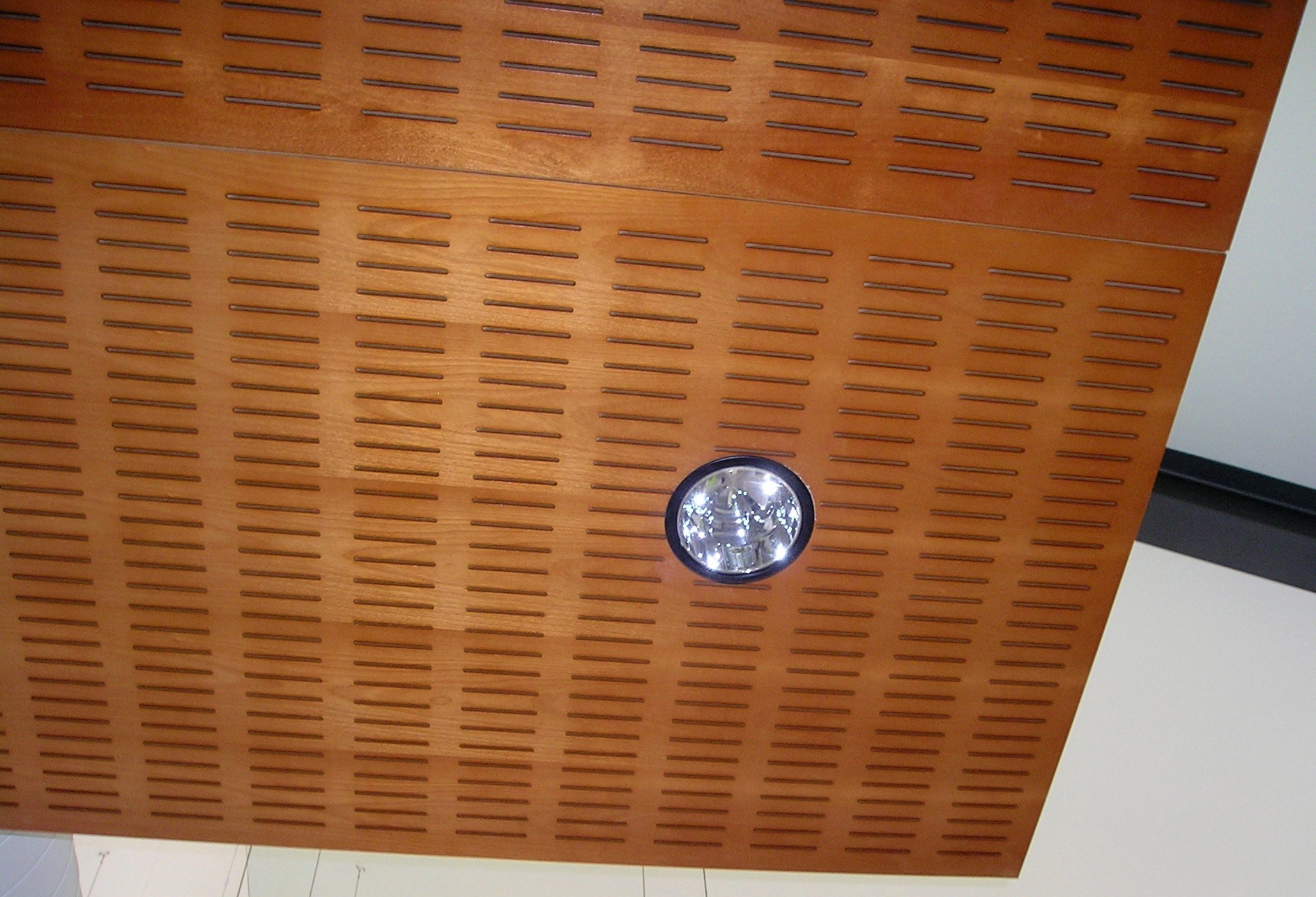
Linear grooved panels create a structured and consistent appearance across walls and ceilings. The grooves are not only aesthetic—they allow sound to pass through the face of the panel and be absorbed by acoustic backing behind.
This combination of timber finish and acoustic performance makes them ideal for spaces where design and function must work together.
Acoustic Performance of Linear Wood Panels
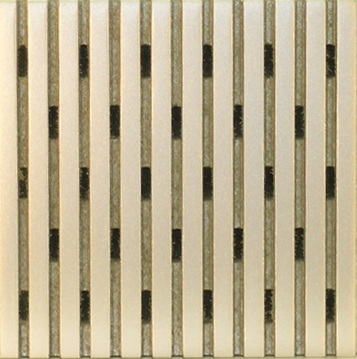
Grooved timber panels rely on a perforated or slotted face combined with insulation behind the panel. Without this backing, timber surfaces reflect sound rather than absorb it.
When installed correctly, these systems:
- Reduce reverberation in open spaces
- Improve speech clarity
- Control echo in large rooms
- Support balanced acoustic conditions
Using Grooved Panels as a Wall Feature
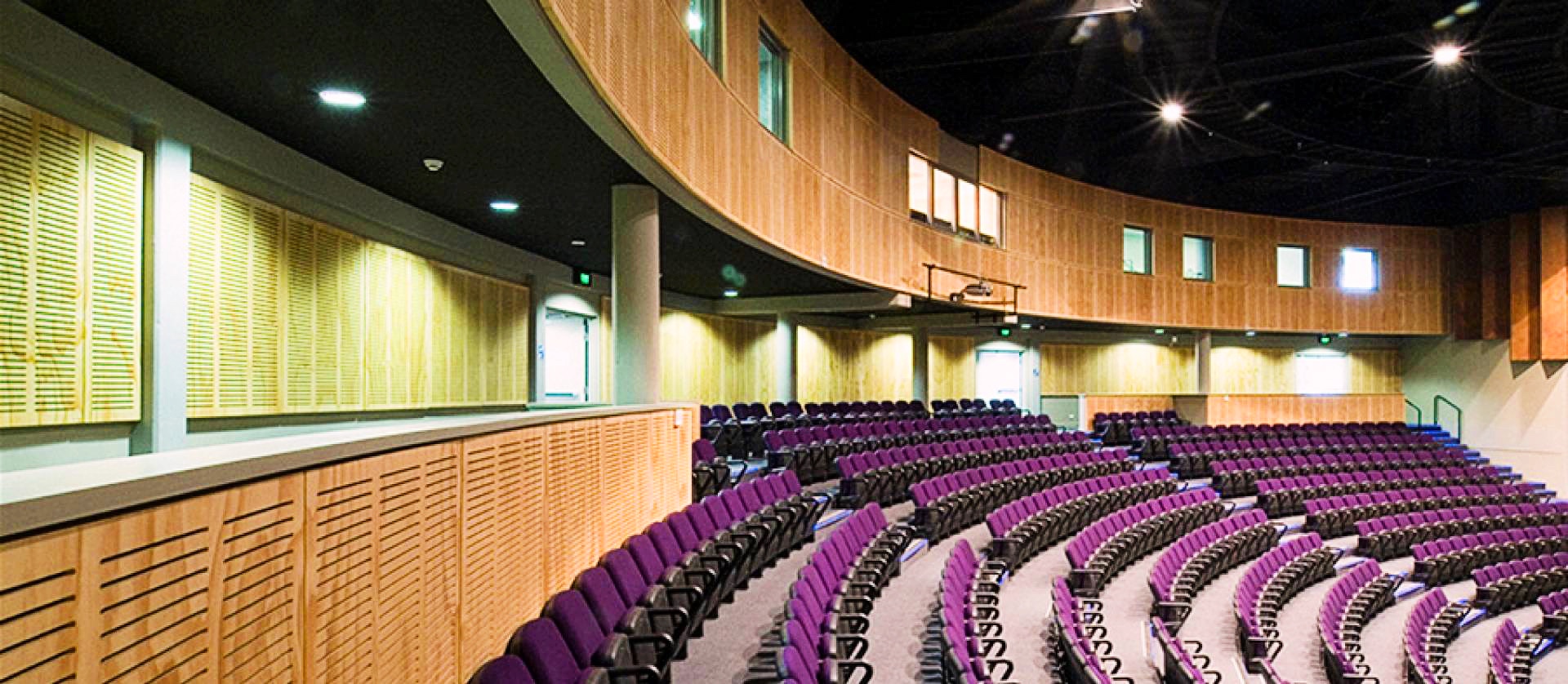
One of the main advantages of grooved timber panels is their ability to act as a feature wall. The linear pattern creates depth and rhythm while maintaining a clean architectural look.
They are commonly used in:
- Office feature walls
- Reception areas
- Boardrooms and meeting spaces
- Public interiors and commercial fitouts
Design Flexibility for Architects
Grooved timber panels can be customised to suit the overall design intent of a project. This includes:
- Choice of timber veneer
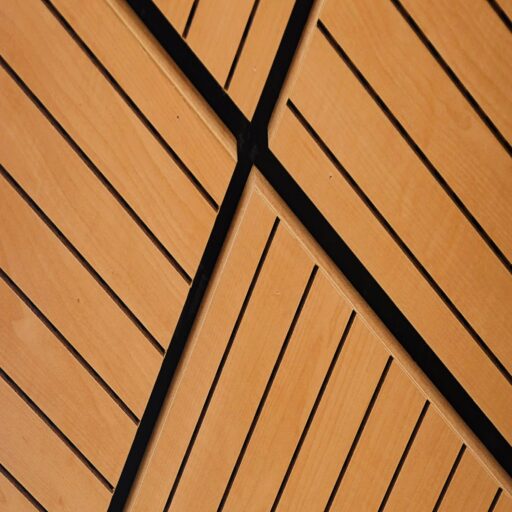
- Groove spacing and pattern
- Panel size and layout
- Integration with ceilings and joinery
This flexibility allows architects to maintain a consistent finish across multiple surfaces while addressing acoustic requirements.
Installation Considerations
For best results, grooved timber panels should be installed with an acoustic backing such as insulation or acoustic blanket. A cavity or air gap behind the panel further improves performance.
Planning panel layout early in the design phase ensures alignment with lighting, services, and other architectural elements.
Conclusion
Grooved timber acoustic panels provide a balanced solution for interior design projects where sound control and visual finish are both required. When properly detailed, they deliver consistent acoustic performance while contributing to a clean and structured architectural outcome.




Frequently Asked Questions
Do grooved timber panels absorb sound?
Yes, when combined with acoustic backing, grooved panels allow sound to pass through and be absorbed behind the panel.
Are grooved panels suitable for offices?
They are commonly used in offices, especially for feature walls and meeting rooms where both design and acoustics are important.
What is the difference between grooved and perforated panels?
Grooved panels have linear slots, while perforated panels use small holes. Both can achieve good acoustic results depending on design.
Can grooved panels be customised?
Yes. Veneers, groove patterns, and panel sizes can all be adjusted to suit the design.
Do timber panels reflect sound?
Solid timber reflects sound. Acoustic performance is achieved by combining grooves or perforations with insulation behind.
Looking for Grooved Timber Acoustic Panels?
Murano acoustic timber systems are designed to deliver both architectural finish and reliable acoustic performance across a wide range of applications.