
Timber Acoustic Panels for Commercial Spaces
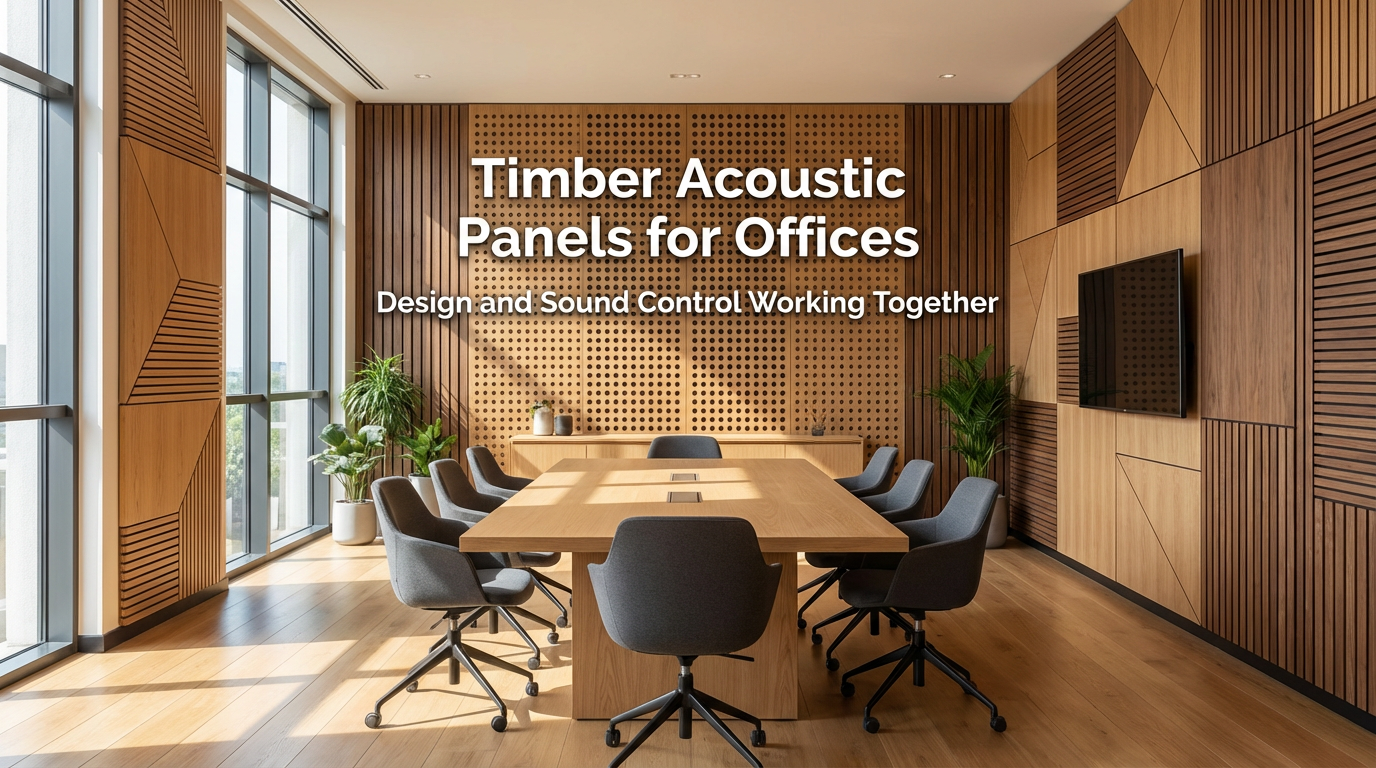
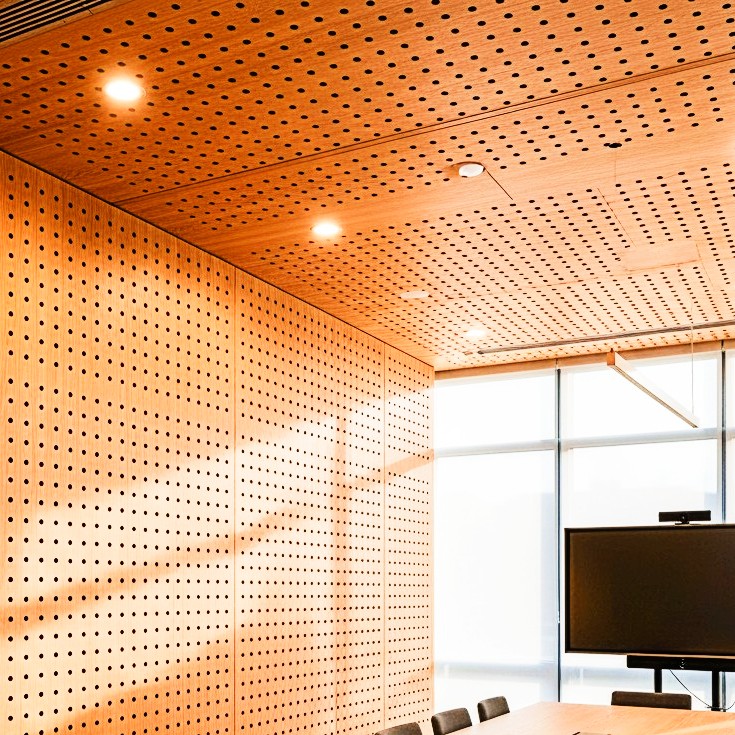
Timber acoustic panels are widely used in commercial interiors where both appearance and acoustic performance are important. In offices, auditoriums, and public spaces, controlling noise is essential, but it must be done without compromising the overall design.
Two common systems used in timber acoustic panels are perforated and micro perforated panels. Each offers different levels of performance and visual outcomes, depending on the project requirements.
Understanding Perforated Timber Panels
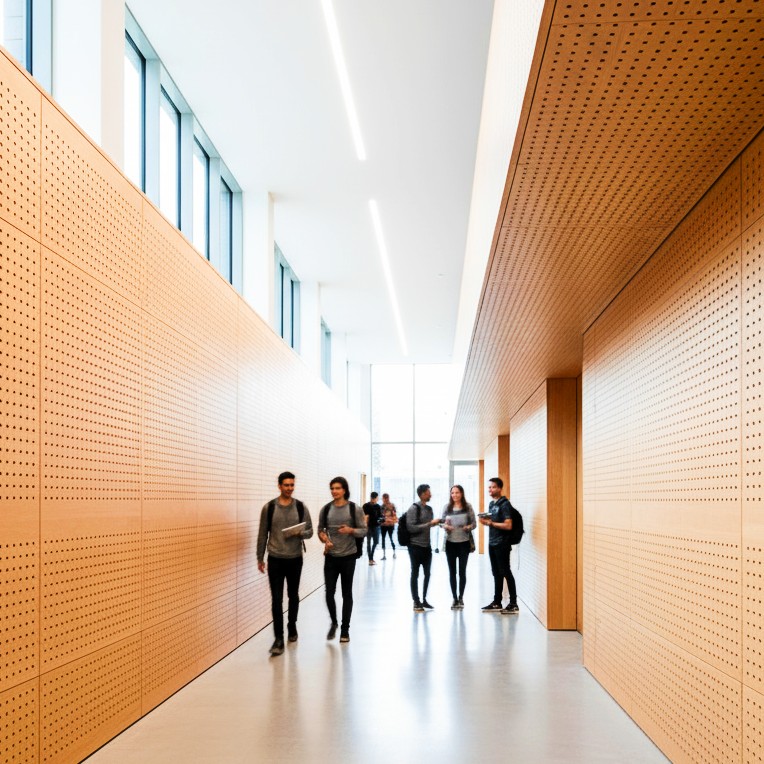
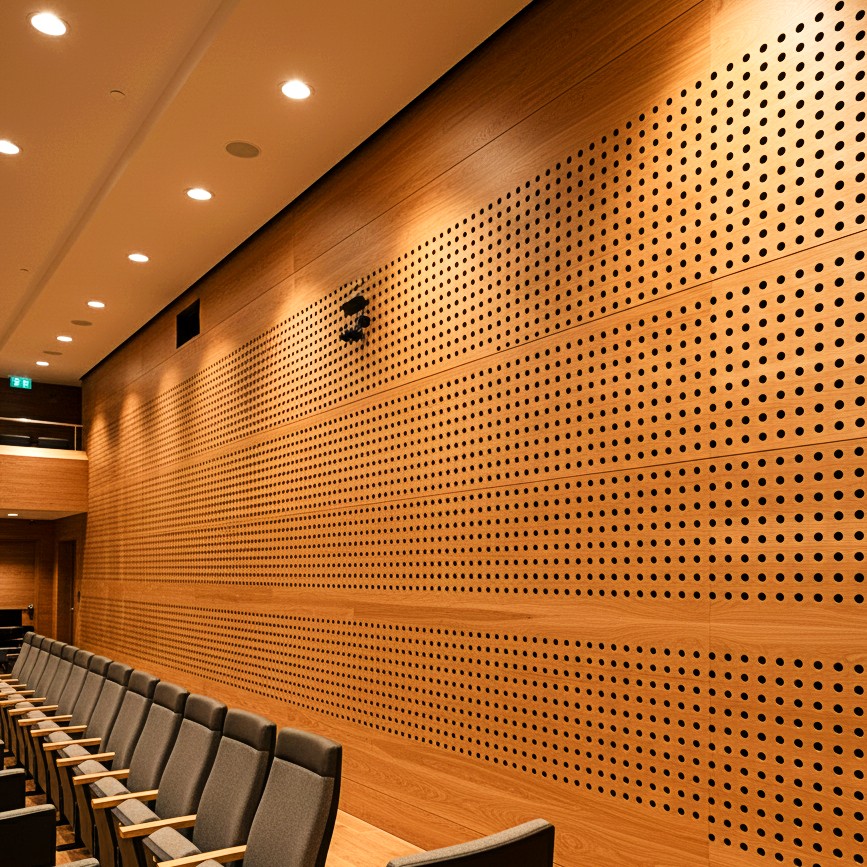
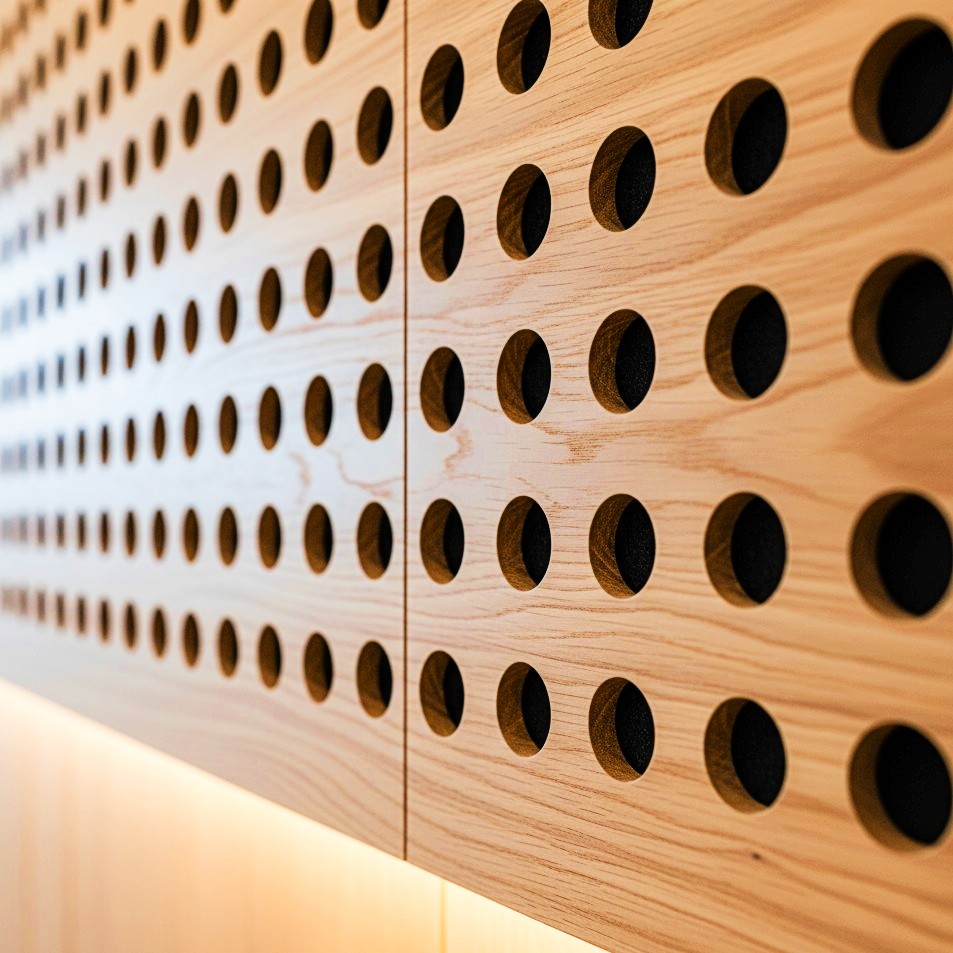
Perforated timber panels feature visible holes across the surface. These openings allow sound to pass through the panel and be absorbed by acoustic material behind it.
This system provides reliable sound absorption and is often used where higher acoustic performance is required. The pattern of perforations can also become part of the design, offering a balance between function and visual interest.
What Are Micro Perforated Panels?
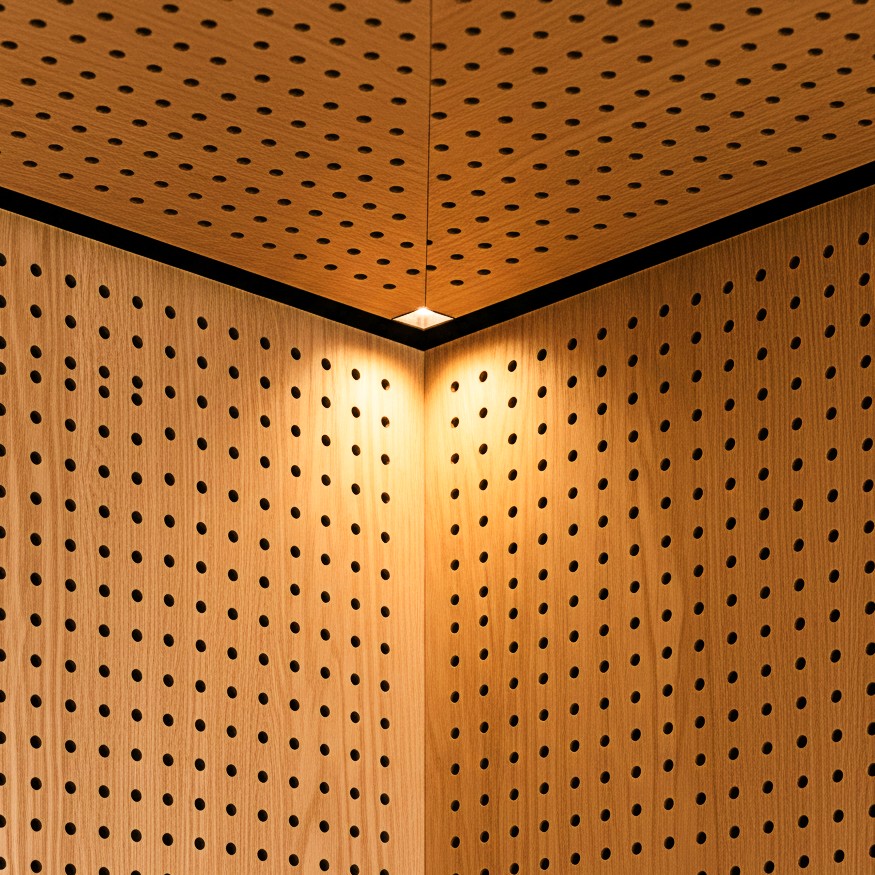
Micro perforated panels use very small, almost invisible holes to achieve acoustic performance. From a distance, the surface appears clean and uninterrupted, making it suitable for high-end interiors.
While the visual finish is more refined, acoustic performance depends on panel design, backing material, and installation. These panels are often selected where appearance is a key priority.
Choosing the Right System
The choice between perforated and micro perforated panels comes down to the balance between performance and appearance.
- Perforated panels are suited to spaces where stronger sound absorption is required
- Micro perforated panels are suited to spaces where a cleaner finish is preferred
- Both systems can be tailored to suit the acoustic requirements of the space
In many commercial projects, the right outcome is achieved by selecting the system that aligns with both the acoustic target and the design intent.
Perforated vs Micro Perforated Panels
| Feature | Perforated Panels | Micro Perforated Panels |
|---|---|---|
| Surface Appearance | Visible perforations | Clean, near solid appearance |
| Acoustic Performance | Strong absorption with backing | Controlled absorption depending on design |
| Design Impact | Pattern becomes a design feature | Minimal visual disruption |
| Typical Use | Auditoriums, offices, public spaces | Boardrooms, feature walls, high-end interiors |
Frequently Asked Questions
What is the difference between perforated and micro perforated panels?
Perforated panels have visible holes, while micro perforated panels use very small holes that are not easily seen.
Which system performs better acoustically?
Perforated panels generally provide stronger sound absorption, especially when combined with acoustic backing.
Are timber acoustic panels suitable for offices?
Yes, they are widely used in offices, meeting rooms, and commercial interiors.
Can these panels be customised?
Yes, Murano panels can be customised in pattern, finish, and size to suit project requirements.
Where are these panels typically installed?
They are used in commercial spaces including offices, auditoriums, and public buildings.
Looking for Timber Acoustic Panels?
Murano Acoustic Timber Panels provide a practical solution for controlling sound while maintaining a high-quality architectural finish.
Speak with our team to discuss perforated and micro perforated options for your next project.


Further Resources
| Topic | Link |
|---|---|
| Timber Acoustic Panels | View Timber Acoustic Panels |
| Acoustic Panels Australia | Explore Acoustic Panels |
| Fabric Acoustic Panels | View Fabric Panels |
| Polyester Acoustic Panels | View Polyester Panels |
| Sound Absorption vs Soundproofing | Learn the Difference |
| Acoustic Panels for Offices | Office Acoustic Solutions |
| Auditorium Acoustic Panels | View Auditorium Projects |