

Architectural Acoustic Solutions for Modern Offices
Office interiors today place strong emphasis on clean architectural lines, natural materials and visually appealing finishes. At the same time, open-plan layouts and reflective surfaces can create acoustic challenges. Timber acoustic panels provide a solution that improves sound quality while maintaining a refined architectural appearance.
Timber Acoustic Panels for Offices – Combining Design and Acoustic Performance
In many commercial offices, noise becomes a problem when hard surfaces allow sound to reflect throughout the space. Glass partitions, exposed ceilings and polished floors can create excessive reverberation that affects concentration and communication.
Timber acoustic panels help control these conditions by combining sound absorption with architectural finishes. The result is a workplace that feels calmer, clearer and more comfortable while maintaining a strong visual design.
Why Timber Acoustic Panels Are Popular in Office Design
Architects increasingly choose timber acoustic systems because they provide both functional and aesthetic advantages. Timber introduces warmth and texture into modern interiors while acoustic backing materials absorb sound energy within the space.
Common office areas where timber acoustic panels are used include meeting rooms, boardrooms, reception areas, breakout spaces and open work environments.
How Timber Acoustic Panels Work
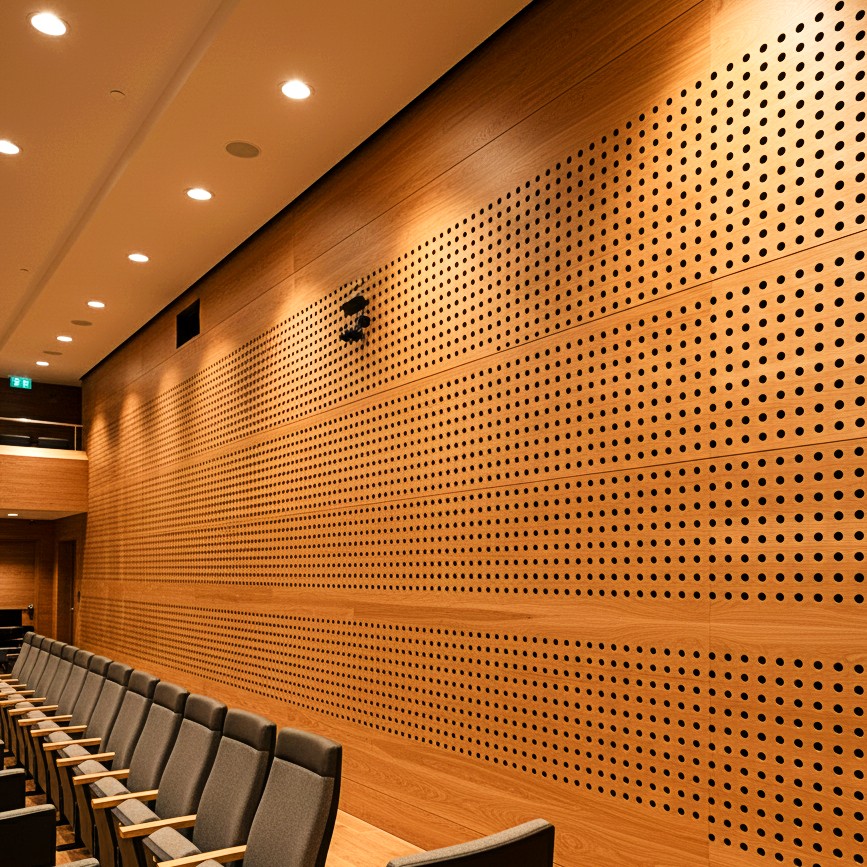
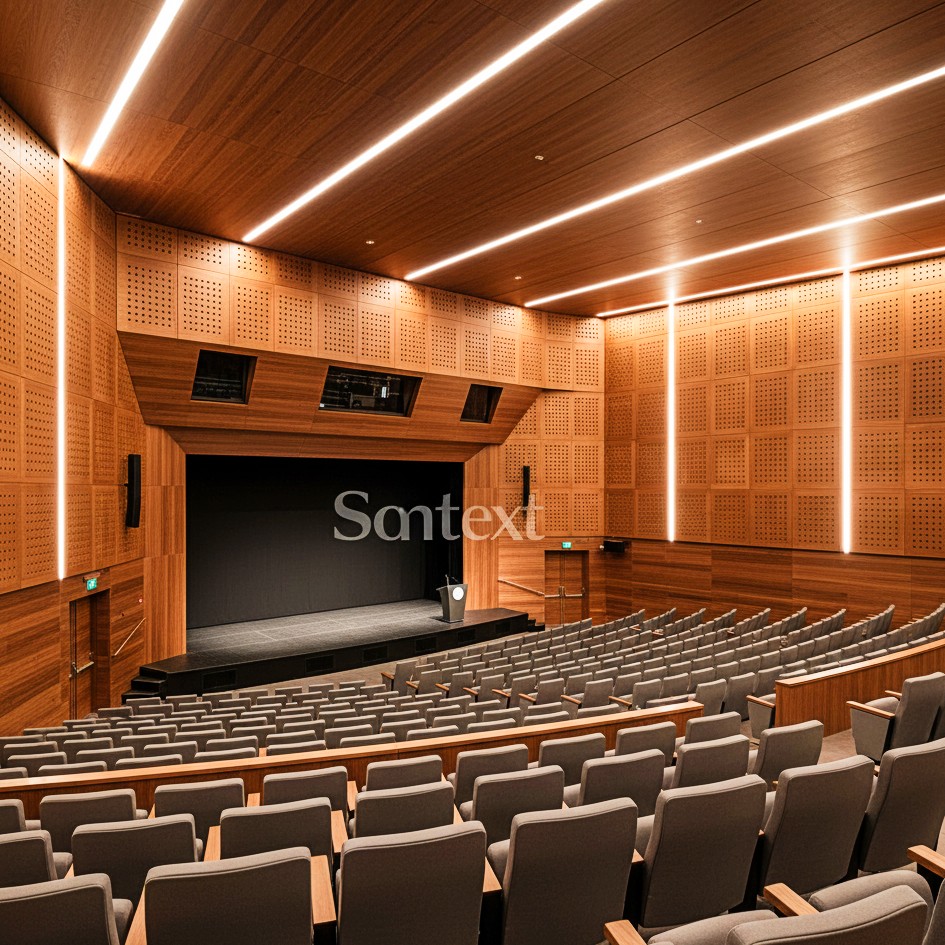
Timber acoustic panels typically combine a decorative timber face with an acoustic backing material. The face may be perforated or slotted to allow sound waves to pass through to the absorbing core behind the panel.
This construction allows the panel to maintain the appearance of a timber wall or ceiling while providing effective sound absorption across key speech frequencies.
Types of Timber Acoustic Panels Used in Offices
| Panel Type | Description |
|---|---|
| Perforated Timber Panels | Panels with small perforations designed to allow sound to pass through to the acoustic backing. |
| Slotted Timber Panels | Panels with linear grooves that combine acoustic performance with strong architectural design. |
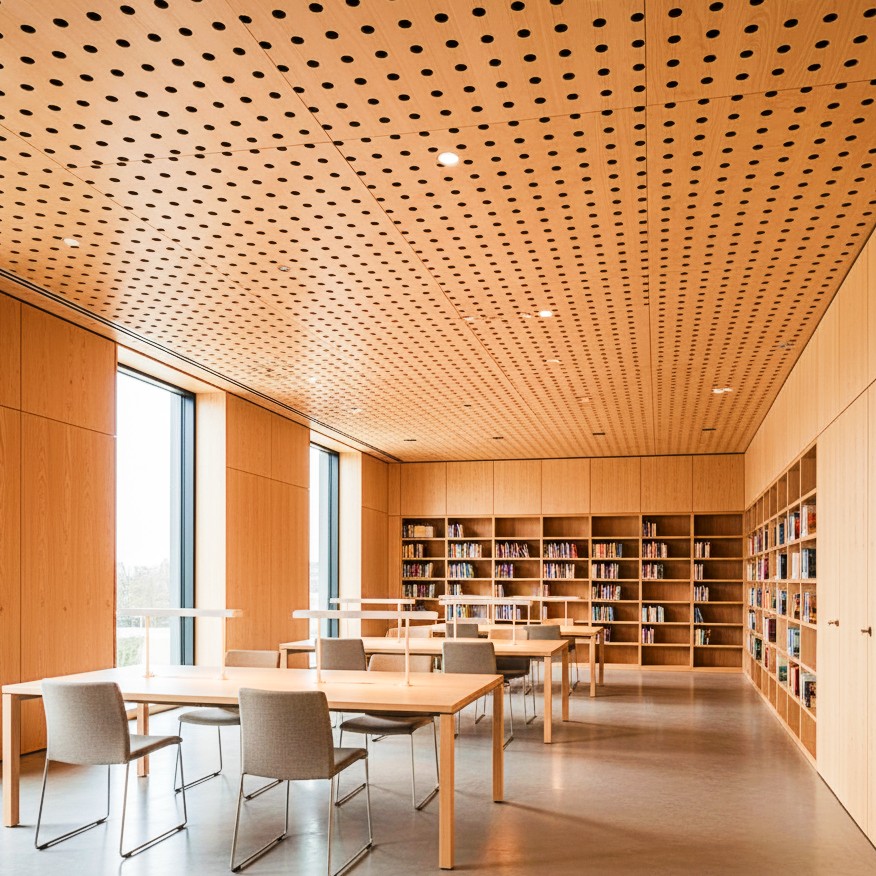
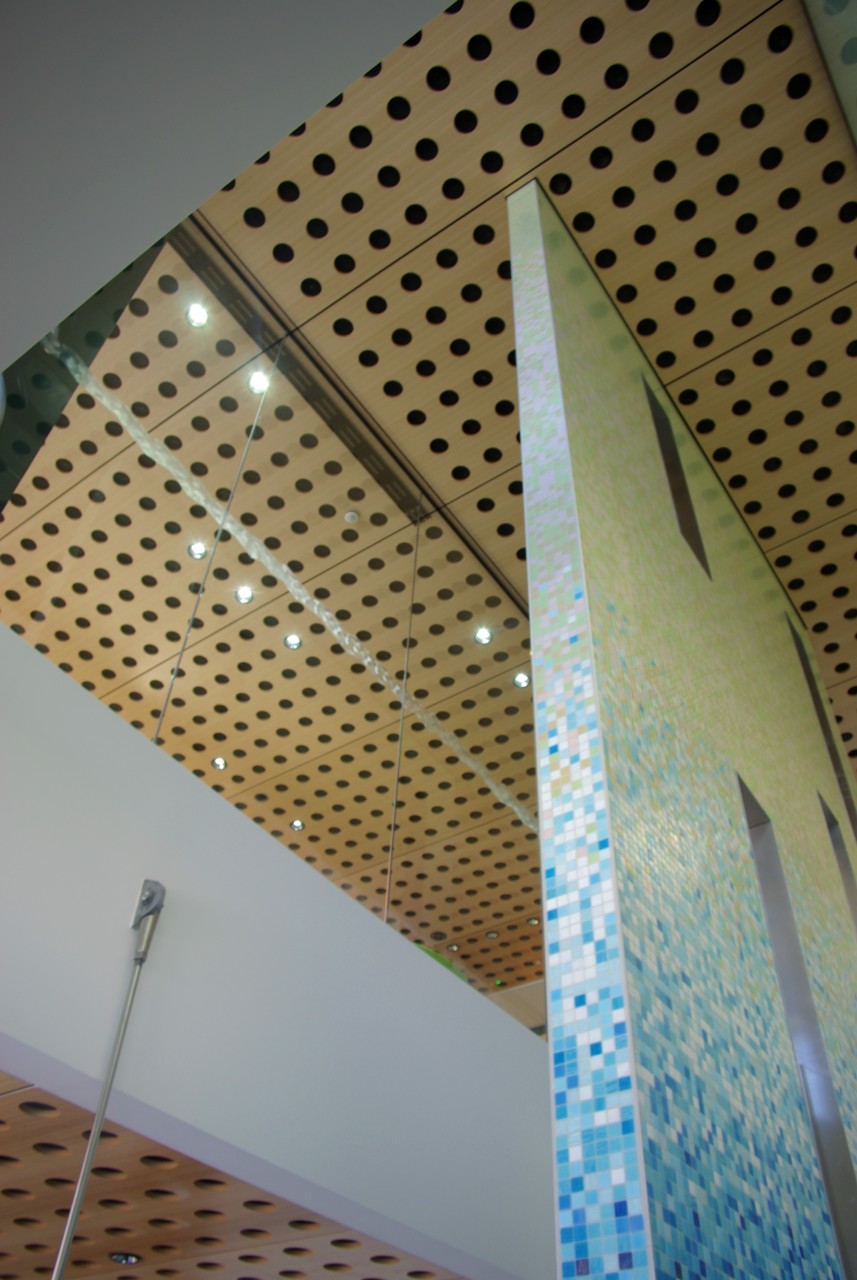
| Timber Acoustic Ceilings | Decorative ceiling systems that provide both acoustic control and architectural interest. |
Design Flexibility for Architects
Timber acoustic systems can be customised to suit a wide range of architectural requirements. Options may include different perforation patterns, groove spacing, panel sizes and timber finishes. This flexibility allows acoustic treatment to become an integrated part of the design rather than an afterthought.
Balancing Aesthetics and Acoustic Performance
The advantage of timber acoustic panels is that they provide sound absorption without compromising the visual character of a space. In many projects, timber finishes complement other natural materials such as stone, glass and steel.
This makes them particularly suitable for boardrooms, executive offices, corporate headquarters and public areas where design presentation is important.
Where Timber Acoustic Panels Work Best
Timber acoustic systems are often used in environments where both design quality and sound performance are required.
- corporate offices
- boardrooms
- conference facilities
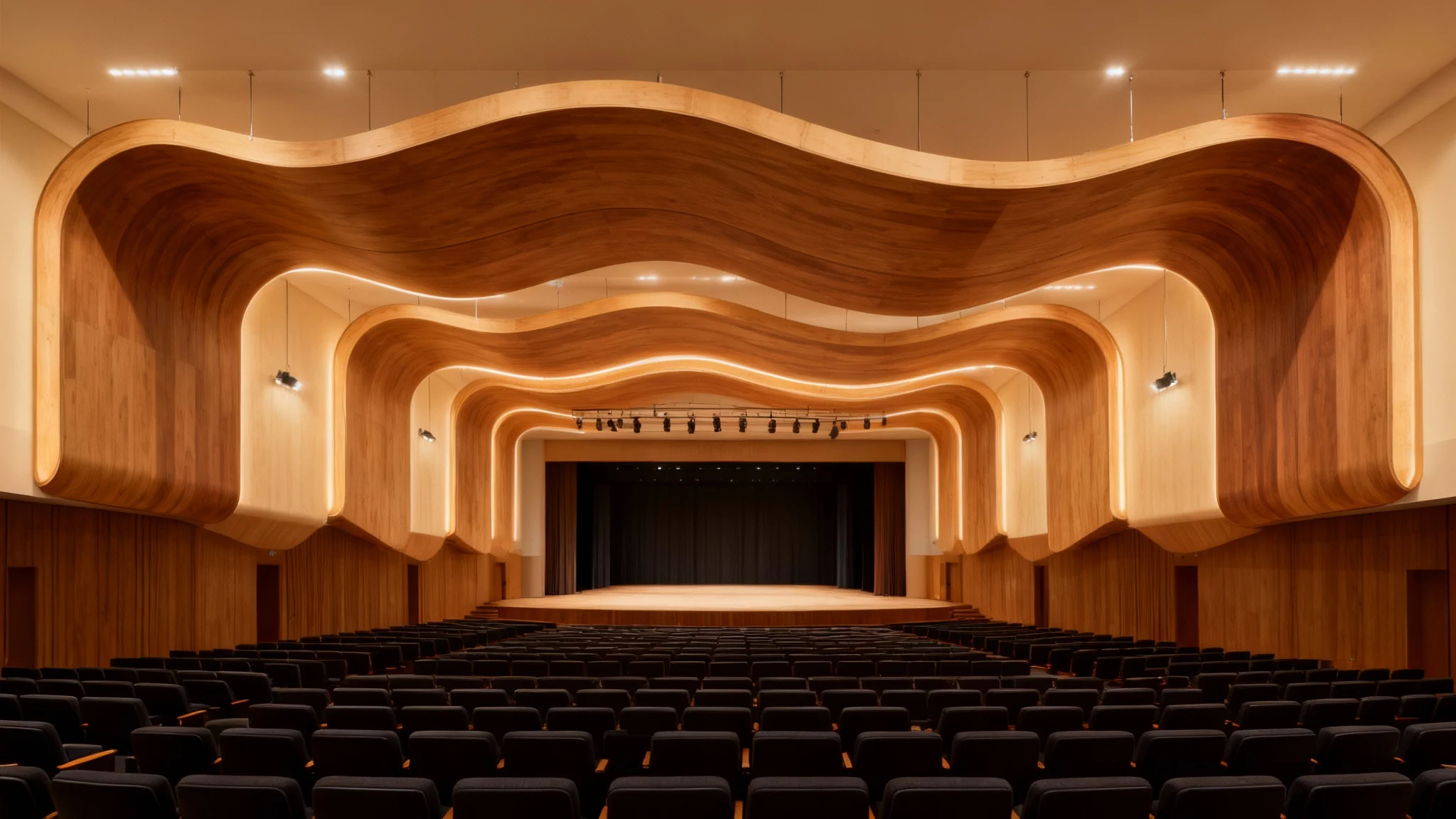
- auditoriums
- public buildings
FAQs
1. Do timber acoustic panels actually absorb sound?
Yes. Timber acoustic panels use perforations or slots that allow sound to pass through to an acoustic backing material which absorbs the sound energy.
2. Are timber acoustic panels suitable for offices?
Yes. They are commonly used in offices, boardrooms and meeting rooms where acoustic control and architectural design are both important.
3. Can timber acoustic panels be installed on ceilings?
Yes. Many systems are designed for both wall and ceiling installations, depending on the acoustic requirements of the space.
4. Do timber panels reduce echo in large rooms?
Yes. When properly designed, timber acoustic panels help reduce reverberation and improve speech clarity.
5. Are timber acoustic panels customisable?
Yes. Panels can be manufactured in different sizes, perforation patterns and finishes to suit architectural requirements.
Call to Action
To learn more about architectural timber acoustic systems, visit Murano Acoustics or contact our team to discuss your next commercial project.